
Free casino games plinko can be approached as a quick test of ball-drop mechanics, but the player experience depends heavily on interface design, navigation, localisation, search, and everyday usability. Australian adults should first check the platform’s terms, identity requirements, and local availability rather than assuming every overseas casino follows Australian rules. This walkthrough examines how a player might explore free-play options, understand the controls, and judge whether the product feels appropriately tailored.
From Landing Page to First Ball Drop
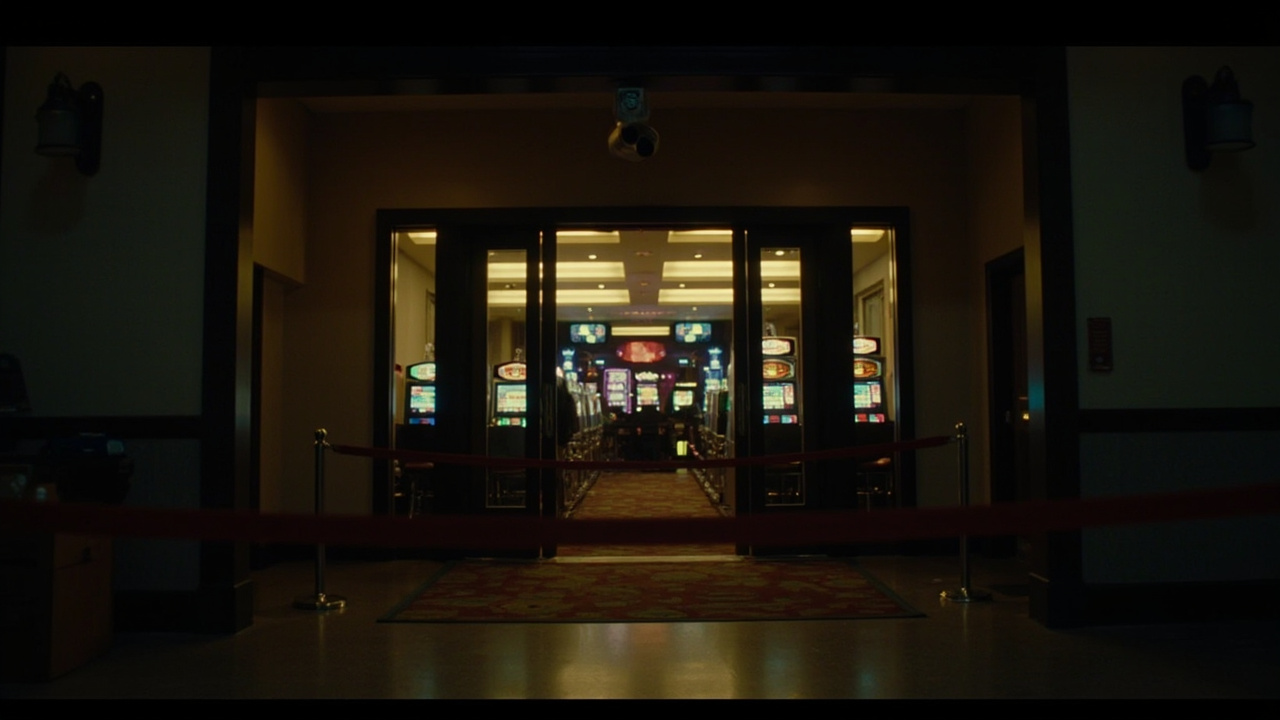
A useful evaluation starts before any game loads. The landing page should make the Plinko category easy to identify, expose the free-play route clearly, and avoid burying practical information beneath promotional graphics. Colour contrast matters because a colourful ball-drop interface can still be frustrating when buttons blend into the background. I would also check whether the platform displays its operating entity, contact details, support hours, and gambling policy in plain language.
Navigation should work consistently on a phone, particularly for players in regional New South Wales using mobile data rather than home Wi-Fi. Search is especially valuable once a catalogue grows, but it should match the wording players use: “Plinko”, not an obscure internal title. Currency settings, responsible-play tools, and account controls should sit within predictable menus rather than being scattered across unrelated pages.
Brand presentation also shapes trust. Some operators build polished, arcade-like visuals, while others resemble a standard lobby with Plinko inserted as another tile. The first approach can make the game feel focused; the second may be more practical when players want to compare several titles. For a similar example of how presentation affects confidence, see joe fortune casino no deposit. No deposit wording should be treated as a promise of cash rather than an account incentive subject to stated conditions.
Judging the Interface, Controls and Localisation
Finding the game and understanding the board
The search and filtering process should answer a simple question: which Plinko game is available in demo mode, and which requires credit? A clear “Free Play” label saves unnecessary account creation, while an unmistakable distinction between practice and real-money balances prevents confusion. Filters for low, medium, and high risk can be useful, but they should explain how many rows are active instead of relying on vague intensity labels.
The board itself should display the drop control, landing zones, recent multipliers, and any autoplay setting in a logical sequence. On mobile, the launch button should remain reachable without covering the board. Animated balls can add character, but excessive motion may make results harder to follow. Reduced-motion settings are a sensible inclusion, even if not every operator provides them.
Plinko generally offers limited decisions compared with table games: choose a risk level, set a stake, release the ball, and watch where it lands. A strong interface makes those actions comprehensible in under a minute. It should also show the theoretical return percentage and house edge before a session begins. “Free” usually means no monetary stake, not immunity from the underlying game mathematics.
Reading the controls and checking the terms
Controls need plain labels, immediate feedback, and visible confirmation when a bet changes. A stake control that moves from $1 to $10 without showing the new value is a warning sign. Players should be able to reset the stake, pause autoplay, and review a round history. These details may appear minor, but they determine whether the product feels controlled or chaotic.
Localisation deserves closer attention for Australian users. English should use familiar currency and date formatting, while terms should avoid unnecessary jargon. If an operator serves the Australian market, it must explain which legal entity provides the service and whether local residents are eligible. An Australian licence or authorisation should be stated only where it genuinely applies; an overseas licence must never be presented as Australian approval.
Support access should provide a live-chat option during peak periods, an email channel for document questions, and a clearly stated timeframe for responses. If identity verification is requested, the platform should specify accepted documents and explain why. Support should not encourage players to upload more personal information than necessary.
One common misconception is that a free-play version proves the real-money version is safe or generous. In reality, demo mode can demonstrate the interface while giving no assurance about payment handling, account security, or withdrawal conditions. A free round is useful for learning controls, not for judging an operator’s overall reliability.
Comparing the experience across devices
A practical test involves completing the same sequence on a phone, tablet, and desktop. Check whether the board scales cleanly, menus remain legible, and the control layout does not shift unexpectedly. Orientation changes should preserve the current stake and game settings. Fast internet can conceal loading problems, so testing on regional NSW mobile connections is more realistic than relying on a fibre connection at home.
The catalogue should distinguish game variants clearly. Our fictional comparison platform, Drop Zone AU, includes three Plinko builds: Peak Drop from a proprietary studio, Cascade by Northstar Labs, and Prism Plinko by Harbour Arcade. Each supports a one-credit practice mode, adjustable rows from 8 to 16, and multipliers displayed in Australian dollars. Only Cash Ball uses real-money play, with bets from $0.20 to $20 and a stated 99% theoretical return percentage.
Drop Zone AU uses AUD throughout, stores settings between sessions, and offers optional low-motion animation. Registration requires a mobile number, username, date of birth, and acceptance of the terms; identity checks may be triggered before withdrawals. Live chat runs from 9 am to 11 pm AEST, seven days a week. New players receive 20 practice credits rather than a cash bonus, while a points-based loyalty scheme awards one point per $1 wagered on eligible real-money games.
What Matters Most for Australian Players
Player fit depends on priorities. Someone who wants to understand the ball-drop mechanic without spending money will value instant demo access, readable multipliers, and a clear reset button. Another player may want quick sessions on a commute, making launch speed, portrait layout, and session limits more important than detailed statistics.
The operator should also disclose whether free credits can be converted into withdrawable funds. At Drop Zone AU, they cannot: practice credits have no cash value, and a failure to communicate that distinction would create avoidable confusion. Real-money eligibility, deposit limits, withdrawal times, and verification rules must appear before the first paid round. Players should never be encouraged to bypass geo-restrictions or verification checks.
My operator-investor judgement is that retention comes from predictable controls and transparent information, not from making a simple mechanic look excessively elaborate. In my experience building and scaling consumer products, teams often overinvest in animation while underinvesting in navigation, localisation, and support. A focused Plinko interface should make its purpose visible, then get out of the player’s way.
A deeper analogy comes from the relationship between probability tools and product design. The analysis behind roulette wheel physics shows why mathematical structure can inform a convincing game presentation, but an attractive simulation cannot change the underlying odds. Likewise, a polished Plinko interface can improve clarity without making any outcome more predictable.
For adults in Australia, the best starting point is a free session: test search, read the rules, examine the risk settings, and compare devices. If the interface remains clear and the operator explains its legal position plainly, the experience may suit casual play. If terms are vague or incentives obscure the actual conditions, no amount of colourful animation makes that a good sign. Play within a preset budget, keep sessions deliberate, and use the available responsible-play tools whenever play stops feeling recreational.