
Alice Springs Casino Table Games Minimum Bets: What You Actually Pay at the Felt
If you’ve ever watched a busy arvo unfold on the felt at Alice Springs Casino, you’ll know the first real question isn’t the game itself – it’s the minimum bet you’re expected to lay down. That number sets the rhythm of the session, and it’s never quite the same across blackjack, roulette, or baccarat. I’ve spent years tracking odds and bookmaker margins across Australian racing and club competitions, and the same principle applies here: the posted minimum is just the entry price, not the whole story. When you’re working out whether a table suits your bankroll, you need to look past the placard and understand how those floors actually move on a given night.
Minimum Bets Across the Main Tables
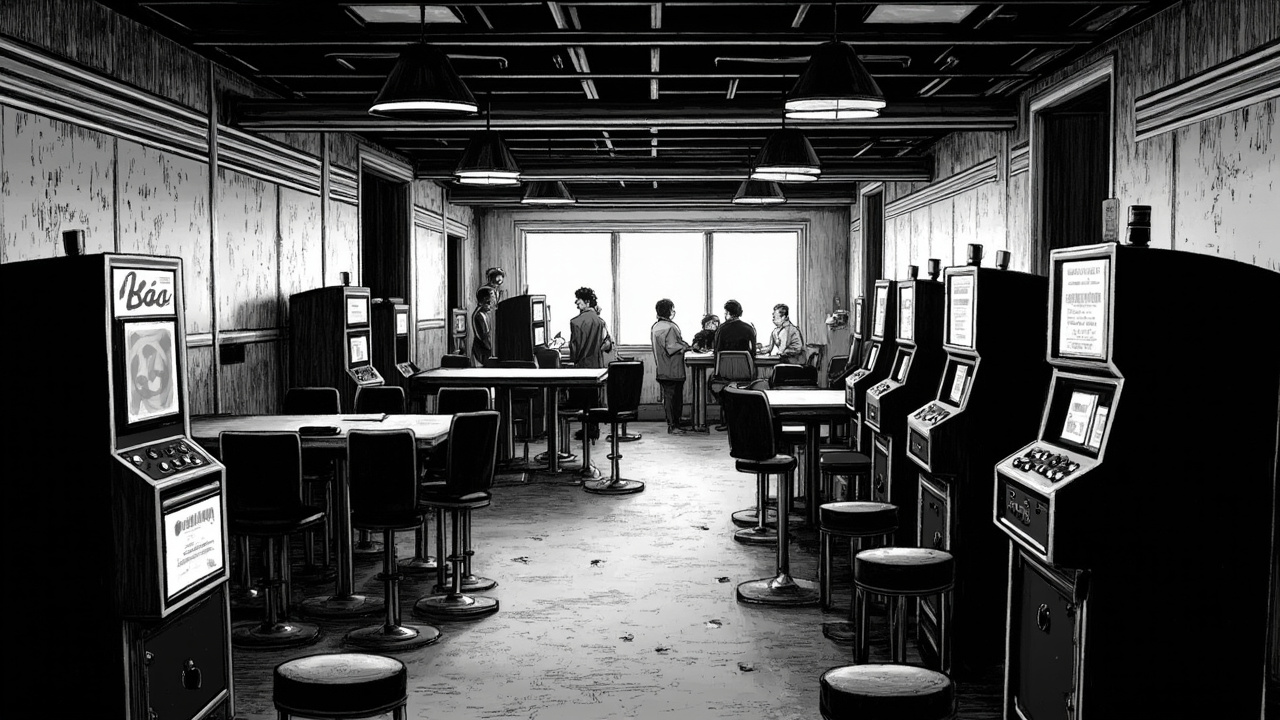
The posted minimums at Alice Springs Casino table games shift with demand, staffing, and the time of day, but you can usually map them to a few reliable bands. Blackjack typically runs from $10 to $25 at the lower end, with mid-week evenings often holding the floor steady and weekend sessions pushing the base up toward $50 on the busier tables. Roulette follows a similar pattern, though the split between European and American layouts can nudge the minimum higher when the wheel is drawing a crowd. Baccarat tends to sit at the top of the range, with minimums frequently starting around $25 and climbing when high-stakes players take a seat.
The key thing I’ve learned from watching how bookmakers price markets on the Melbourne Cup – Australia’s single biggest betting day – is that posted figures are always a starting point, not a guarantee. On heavy days, the casino will adjust tables to match traffic, and that can mean a $10 blackjack table quietly moving to $25 once the room fills. If you’re planning a session, it pays to check the felt when you walk in rather than relying on yesterday’s numbers. The minimums aren’t locked in stone; they’re a live readout of how the floor is performing.
A quick reference for what you’re likely to see on a standard night:
| Game | Typical minimum range | Notes |
|---|---|---|
| Blackjack | $10-$25, up to $50 on busy sessions | Can shift mid-evening as tables fill |
| Roulette | $10-$30, higher on American layouts | European wheel often holds a lower base |
| Baccarat | $25-$50+ | Moves upward when high-stakes players arrive |
Those ranges are what you’ll usually work with, but the real cost of a session comes down to how many hands or spins you’re playing and whether the table is running a steady pace or a slower, more deliberate game. A $10 minimum sounds modest until you’re putting it up across a long run, and that’s where the floor’s rhythm matters more than the placard.
What the Minimum Actually Covers
A minimum bet isn’t just the smallest chip you can throw on the layout; it’s the baseline that sets how the table operators manage pace, staffing, and payouts. In a place like Alice Springs, the minimums also reflect the broader reality that regulators require slots to meet minimum return standards, and that same discipline carries over into how table games are watched and priced. The house isn’t trying to hide the numbers – it’s trying to keep the game moving at a pace that suits the room, the staff on duty, and the crowd that’s actually there.

That’s why you’ll sometimes see a table advertised at one figure and find it running higher once you’re seated. It’s not a trick; it’s a practical adjustment. When a blackjack table fills up, the operator can’t afford to run a slow $10 game if the room is backing up and the next player is waiting. The minimum moves because the floor needs to balance turnover with service. If you’re the sort of player who likes a steadier, lower-stakes session, the trick is to arrive earlier in the evening or mid-week, when the room hasn’t hit that peak pressure point.
I’ve seen the same dynamic in local racing markets, where a field looks straightforward on paper until late money shifts the odds and the bookmaker adjusts the line. The posted number is always a snapshot, not a promise. With table games, the snapshot changes as the night does, and that’s worth keeping in mind before you settle into a seat.
A few practical points to keep in mind when you’re reading the room:
- Check the felt on arrival, not the advertised figure from earlier in the day
- Watch the pace of the game – a faster table can cost more in action even at a lower minimum
- Ask the floor staff if a table is running a special or adjusted minimum for the session
- Factor in the layout – European roulette and standard blackjack usually sit at the lower end of the range
Those small checks save you from sitting down expecting one thing and finding the table has moved somewhere else. It’s a fair go to want clarity before you put your chips in play, and the floor staff are usually happy to tell you what’s running if you ask straight up.
How to Read the Floor Before You Sit
If you want to make the minimums work for you rather than against you, the best move is to read the room before you commit to a table. That means looking at how many seats are taken, how fast the dealer is running, and whether the placard matches what’s actually on the felt. I’ve covered enough local sport to know that conditions on the ground often tell you more than the printed line, and the same holds true here. A table that looks quiet from the aisle can be running a tight, fast game, while a busy one might be moving slowly enough to stretch your bankroll further.
The other thing worth noting is that the minimums don’t exist in isolation. They sit alongside the casino’s broader setup – the way tables are laid out, the staff on the floor, and the kind of crowd that’s coming through on a given night. Alice Springs draws a mix of locals, visitors, and travellers, and that mix changes the feel of the room. On quieter nights, you’ll often find the lower minimums holding steady and the pace more relaxed. On heavier nights, the floor adjusts, and that’s when the posted numbers can drift upward.
If you’re comparing how a casino structures its table floor to other Australian venues, the pattern is familiar: minimums are a tool for managing demand, not a fixed rule carved in stone. That’s why it pays to treat the placard as a guide and the actual felt as the real signal. The more you watch how the floor moves, the easier it becomes to pick a table that suits the session you actually want, rather than the one you hoped for when you walked in.
Once the floor staff adjusts the limits in response to the crowd, you can see where the genuine action is flowing. If you want to compare those live table dynamics with the same flexible approach used in digital games, you can explore the wanted dead or a wild slot at https://wanteddeadorawildau.com/en-aus. Watching how both environments react to player traffic will quickly show you which limits are truly set in stone and which ones shift with the night.
For players who want to keep their session costs predictable, the simplest approach is to pick a game, check the minimum on the felt, and decide your limit before you sit down. That way the minimum is a starting point you’ve already accounted for, not a moving target that catches you halfway through the night.